
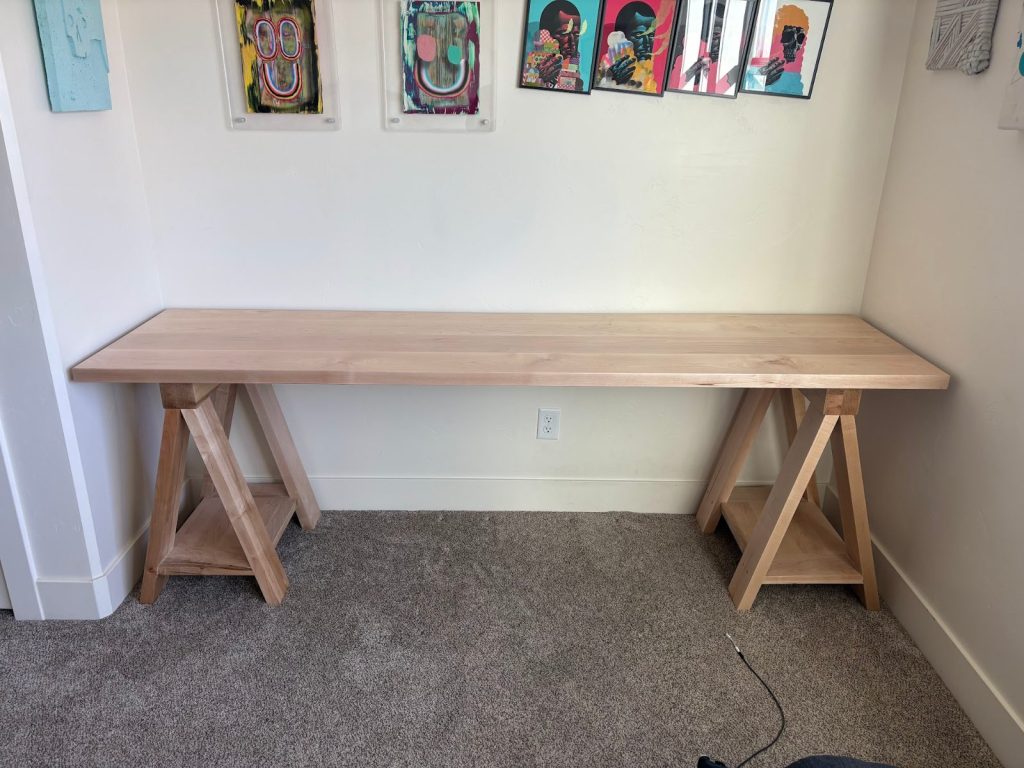
A luxury room should feel collected, not copied from a showroom set. When every table, chair, cabinet, and accent piece uses the exact same wood and finish, the space can start to feel flat. Mixing different wood tones can create more depth and character, but it works best when there is a clear plan. The goal is not to make everything match. It is to make each piece feel as though it belongs in the same room.
Choose One Wood Tone to Lead the Room
A good place to begin is with the largest wood surface already in the space. This may be the flooring, cabinetry, dining table, or built-in millwork.
That main tone becomes the visual anchor. Other woods can then support it instead of competing with it.
For example, a room with warm walnut floors may work beautifully with a slightly lighter dining table and darker chair details. Quality custom furniture makes this easier because the wood species, stain, and finish can be selected around the home rather than chosen from a limited catalog.
Match Undertones Instead of Exact Colors
Two pieces do not have to be the same shade to look good together. What matters more is whether their undertones feel related.
Some woods lean warm with red, gold, or amber tones. Others feel cooler or more neutral. Mixing several warm woods often looks more natural than placing one orange-toned piece beside a very gray one.
Learning how to mix wood furniture in a luxury interior is really about creating relationships between materials. A light oak table can work with darker walnut chairs when the tones are repeated elsewhere through flooring, trim, or smaller accents.
Contrast can look intentional when it appears more than once.
Repeat Details to Create a Common Language
Wood color is only one way furniture can relate. Shape, proportion, edge profiles, hardware, and joinery can create a visual connection even when different species are used.
A room may combine:
- A walnut dining table
- Oak side chairs
- A darker console
- Upholstered seating with exposed wood details
The pieces do not need to match perfectly if certain design elements repeat.
For clients considering Highland UT custom furniture, this is where made-to-order work becomes especially valuable. We can design a new piece to relate to furniture that already matters to the homeowner instead of replacing everything just to create a matching set.
Leave Enough Contrast for Each Piece to Be Seen
If every wood tone is almost the same but not quite, the room may look accidental. Sometimes stronger contrast creates a more polished result.
At Fox In The Sawdust, we approach custom furniture with the full room in mind. A darker table can become a strong focal point against lighter floors, while chairs may introduce a middle tone that connects the two.
Texture also helps. Smooth finished wood, natural grain, upholstery, stone, and metal can keep the room from feeling dominated by one material.
The result should feel balanced, not overly coordinated.
Conclusion
A refined interior does not need every wood surface to match. A dominant tone, compatible undertones, repeated design details, and thoughtful contrast can make different pieces feel beautifully connected. For handcrafted furniture designed to work with the home you already love, call Fox In The Sawdust at (208) 360-6348 and let us create a one-of-a-kind piece that fits naturally into your space.