Uncategorized

Seamless Hosting: Smart Table Leaves and Extension Mechanisms

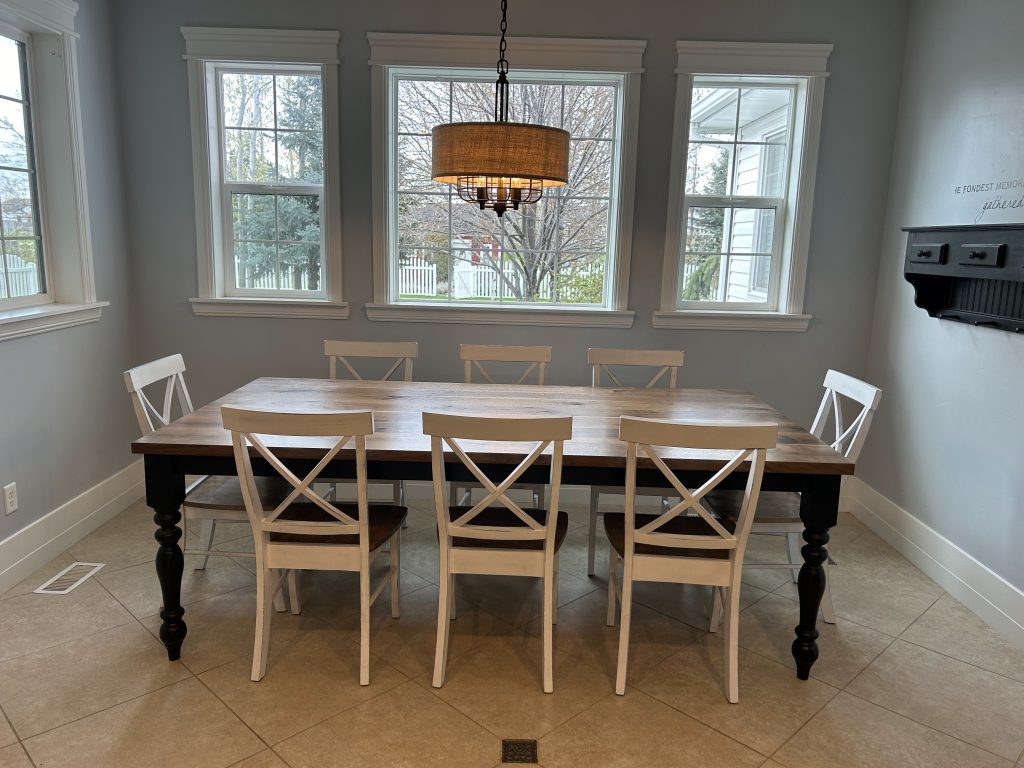
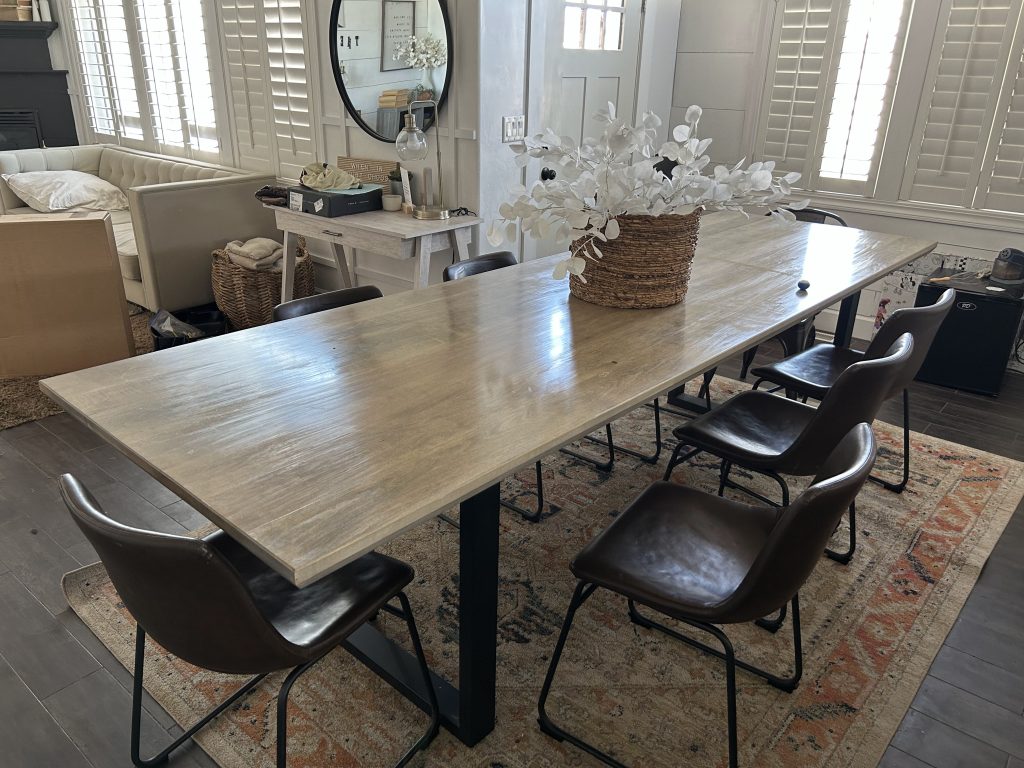
Ever wish your dining table could grow on demand—without wobble or hassle? Extensions let you keep a clean daily footprint and add seats when guests arrive. 

The key is choosing the right leaf style and a smooth mechanism. With a finely built piece of custom furniture, you get both: easy setup and rock-solid support for every gathering.

Why Extensions Matter for Everyday Life

Most days, you want an airy room and simple cleanup. On birthdays or holidays, you need more places at the table. Extensions let you live small and host big. 

A good design keeps legs out of the way, holds its shape when fully opened, and feels steady from end to end. 

We scale thickness, aprons, and joinery so the table looks refined when closed and confident when extended. If you plan to host often, size the “open” length first, then choose a compact daily size that still fits traffic paths and your favorite chairs.

  • Daily footprint stays easy to move around
  • Extra seats appear in minutes—no folding tables
  • Strong support keeps dishes and décor stable

Leaf Styles Explained (Pros & How They Store)

Not all leaves are the same. Drop-in leaves lift from a nearby cabinet and sit between the halves of the top—classic, sturdy, and simple to replace. Butterfly leaves fold and hide inside the table, so there’s nothing to store elsewhere. 

End leaves add length at each end and keep the center seam invisible. Each style can be shaped to match your edge profile and grain for a unified look. 

Think about storage space, how often you’ll extend, and who will set it up. For a truly built-in feel, we grain-match leaves so the top looks continuous when open.

  • Drop-in: strongest feel; needs closet space
  • Butterfly: self-storing; fast setup
  • End leaves: no center seam; great for narrow rooms

The Mechanisms That Make Hosting Easy

The hardware under the top is the secret to smooth setup. Gear-driven slides keep both halves moving evenly—great for one-person operation. Ball-bearing slides glide quietly and resist racking. 

Center support legs or hidden braces appear only when extended, adding strength without bulk. Many shoppers ask about the best dining table extension mechanisms for hosting; the answer depends on table size, leaf count, and how often you’ll use it. 

We spec mechanisms that stay aligned, lock firmly, and carry the weight of food, flowers, and even a few elbows with ease.

  • Even, one-handed pull for quick opening
  • Locks that hold tight—no mid-meal drift
  • Hidden supports for long spans

Room Planning: Rugs, Lighting, and Leaf Storage

Plan the room for the “open” table, not just the daily size. Choose a rug large enough that chairs stay on it when pulled back. Center the light so it looks right both closed and extended—an adjustable fixture or twin canopies can help. 

If you use drop-in leaves, store them flat, climate-stable, and protected from scuffs. A matched sideboard is perfect leaf storage and keeps the dining look cohesive. Well-planned spaces make your custom furniture shine, from quick weeknights to big celebrations.

  • Rug big enough for pulled-back chairs
  • Lighting centered for both lengths
  • Flat, padded storage keeps leaves true

Conclusion

Extensions should feel effortless: open, lock, and host with confidence. If you’re ready for a table that fits your room today and your guest list tomorrow, call Fox In The Sawdust at (208) 360-6348—we’ll design the mechanism, leaves, and finish that suit your home. When only heirloom quality will do, Rexburg ID custom furniture brings it to the table.…

Seamless Hosting: Smart Table Leaves and Extension Mechanisms Read More »

Chairs That Belong: Pairing Seating with a Custom Table

Ever try to match chairs to a gorgeous table and worry it’ll look too “matchy”? You’re not alone. The secret is balance—echo a few details, add a smart contrast, and keep comfort first. With a couple of easy rules, you can create a set that feels designer-made and still totally you. Read on to discover those friendly tips to create a dining set that looks curated, not copied.

Start with the Table’s “Voice”

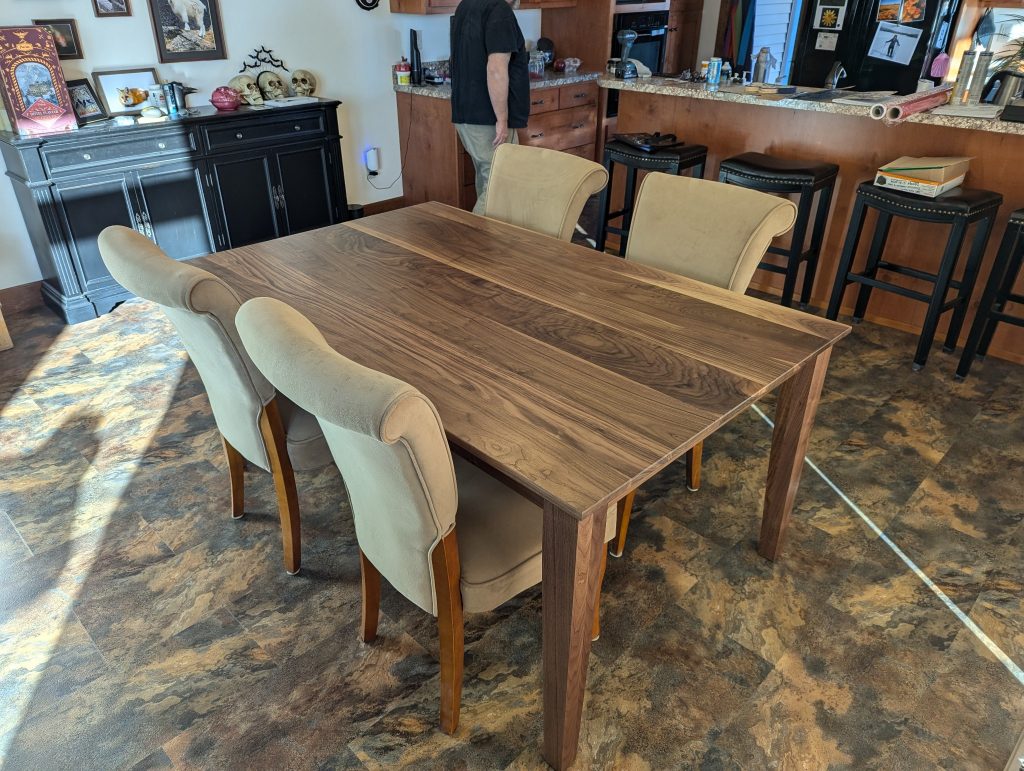
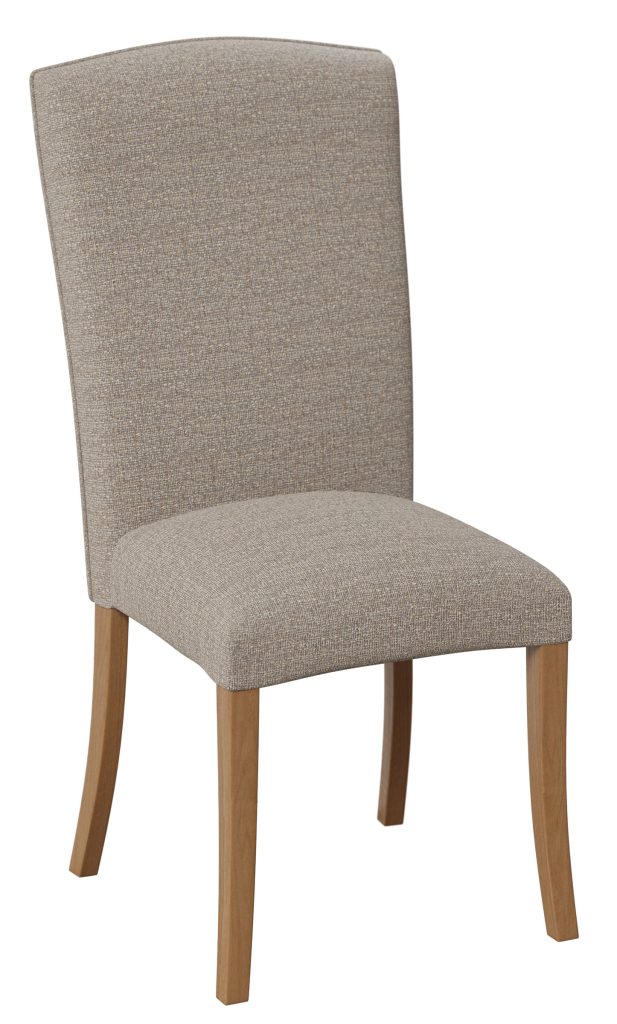
Your table sets the tone—shape, edge profile, leg style, and finish all speak first. Let those clues guide the chairs. With custom furniture, you can repeat one detail (like a leg taper) and change another (like the back shape) to keep the look fresh.

  • Echo one feature (edge radius, taper, or wood tone) and contrast one (back silhouette or upholstery).
  • If the top is thick and bold, pick chairs with slimmer legs for balance.
  • Curves on the tabletop? A gentle curve in the chair back keeps the story flowing.

Mix Materials—Don’t Clash

You can mix wood tones, metal accents, and fabric without chaos. Start with the dominant wood, then add a second finish in a smaller dose. Upholstery is your bridge—neutral textures calm the room; bolder textiles add energy. 

Many people search for how to match dining chairs with a custom table because the trick is simple: repeat a tone once and a texture once.

  • Two-tone works: warm walnut table + black metal stretcher + walnut/black chairs.
  • Use fabric to connect pieces—linen, performance tweed, or soft leather.
  • If you love contrast, keep shapes related so it still feels intentional.

Proportions and Comfort First

Beauty fades fast if the sit isn’t right. Check chair height, width, and how the arms slide under the apron. With custom furniture, we size aprons, overhangs, and leg spacing so chairs tuck cleanly and feel great at long dinners.

  • Aim for about 10–12 inches between seat top and tabletop.
  • Leave roughly 24 inches per place setting so elbows don’t bump.
  • Arm height should clear the apron; curved aprons help knees and posture.

Tie the Room Together

Think beyond the set—repeat one finish in the light fixture, a metal detail on the cabinet pulls, or a stripe from the rug. Small echoes make the whole space feel designed. 

If you want a tailor-made plan wth chairs sized to your exact table and finish everything in a coordinated palette, Rexburg ID custom furniture is your best bet.

  • Rug rule: large enough that chairs stay on it when pulled back.
  • Sheen matters: matte hides fingerprints; satin adds a gentle glow.
  • Add one accent (brass caps, stitched leather, or contrast piping) to finish the look.

Conclusion

Great dining sets don’t just match, they belong together. When you echo a detail, add a bit of contrast, and keep comfort first, the whole room feels intentional and warm. If you’d like a set that looks curated and sits beautifully, call Fox In The Sawdust at (208) 360-6348, and we’ll design chairs and a table that feel custom, comfortable, and completely yours.…

Chairs That Belong: Pairing Seating with a Custom Table Read More »

Finish Matters: Choose the Right Protection for a Luxury Table

A great furniture finish does two big jobs: it protects your table and shows off the wood. However, the right choice depends on how you live—busy family breakfasts, long dinner parties, or a quiet, refined space. In this guide, we explain how each finish looks, feels, and wears so your custom furniture stays gorgeous for years.

Know Your Finish Options

Finishes fall into two main groups: penetrating oils (and hardwax-oils) that sink into the fibers, and film finishes (lacquer, polyurethane) that build a protective shell on top. 

If you’ve wondered about the best finish for a solid wood dining table, start with how much protection you need and how you want the surface to feel.

  • Oil / hardwax-oil: Deep, natural glow; easy spot refreshes; moderate protection for everyday use.
  • Lacquer: Smooth, elegant film; fast to build; excellent clarity on figured woods.
  • Polyurethane: Tough, highly resistant barrier; great for heavy daily traffic and young families.

Durability for Real Life

Think about spills, heat, and how often the table is used. Film finishes resist water and stains longer; oils are easier to repair without a full refinish. The trick is matching durability to the home.

  • Busy, all-day tables: Poly excels at resisting moisture rings and kid messes.
  • Entertaining showpieces: Lacquer gives a refined, even sheen that wows under evening light.
  • Hands-on caretakers: Oils let you fix tiny scuffs quickly—wipe, buff, done.

Choose the protection that fits your routine so your custom furniture keeps its beauty without constant worry.

Look, Feel, and Color Tone

Finish changes the mood of the wood. Oils highlight grain and leave a warm, touchable feel. Film finishes read sleek and crisp, with precise sheen control.

  • Sheen: Matte hides fingerprints; satin adds gentle glow; semi-gloss pops grain with more reflection.
  • Tone: Oils gently warm walnut and oak; lacquer and poly stay clearer, keeping maple bright.
  • Touch: Oils feel soft and natural; films feel glassy and perfectly smooth.

If you love a museum-quiet surface or prefer a hand-rubbed look, the finish is where that personality shows.

Care, Refresh, and Local Support

Plan the upkeep from day one. Wipe with a soft cloth, use trivets for heat, and avoid harsh cleaners. Film finishes need less frequent attention but more setup when they do need work; oils prefer small, simple refreshes that keep the glow alive. 

For sizing, finishing, and care tips tailored to your home, Rexburg ID custom furniture support from experts makes maintenance easy and stress-free.

  • Quick wins: Microfiber for dust, coasters for cold glasses, felt pads under décor.
  • Refresh rhythm: Light oil top-ups keep depth; film finishes benefit from gentle polish.
  • Sun strategy: Rotate runners so color ages evenly across the top.

Conclusion

Your finish should match how you live and what you love to see—natural glow, refined sheen, or ultra-tough protection. Want help choosing the perfect finish for your table or chair set? Call Fox In The Sawdust at (208) 360-6348—we’ll guide you to a finish that looks stunning on day one and keeps shining for years.…

Finish Matters: Choose the Right Protection for a Luxury Table Read More »

Solid Wood vs. Veneer: What’s Best for a Luxury Table or Chair?

Ever look at a beautiful table and wonder if it’s solid wood or a high-end veneer? Both can look stunning, but they perform differently over time. This guide breaks things down simply—how each is built, how it wears, and when one choice might serve you better. Read on and feel confident about your next custom furniture piece.

How Each One Is Built—and Why It Matters

Solid wood is exactly what it sounds like: boards glued and joined into a top, apron, and legs. Veneer is a thin slice of real wood laid over a stable core (often plywood or MDF) and pressed flat. Both use real wood on the surface; the difference is beneath the grain.

  • Solid tops can be flattened and refinished again and again.
  • Veneer lets you use rare or dramatic figure across a wide surface without warping.
  • Core quality is key with veneer—premium cores stay flat and strong.

Think of construction like the table’s backbone: it sets the tone for durability, weight, and long-term care.

Look and Feel: Grain, Edges, and Touch

If you love a hand-sanded edge and a natural, “warm to the touch” feel, solid wood shines. The edge reveals real grain all the way through. Veneer offers incredible design control with book-matched patterns, straight “architectural” grain, or mirrored figures often at a lighter weight.

  • Solid edges feel rounded and organic; the look is timeless.
  • Veneer excels at ultra-clean modern lines with perfect symmetry.
  • Both take fine finishes beautifully when prepped by a skilled shop.

Many clients search solid wood vs veneer dining table pros and cons because both options can look luxe; choosing comes down to the look you want and how you live.

Durability, Movement, and Everyday Life

Wood moves with seasons—solid boards expand and contract across the grain. A well-built solid top uses breadboard ends, balanced glue-ups, and the right joinery to stay true. Veneer over a stable core barely moves at all, which helps big, wide tops stay perfectly flat.

  • Solid wood can be sanded and refinished many times over decades.
  • Veneer resists warping on very large panels but needs thoughtful care to avoid deep gouges.
  • Finish choice matters: hard film finishes protect busy households; oil finishes are easy to refresh.

If you want heirloom mass and deep edge profiles, solid wood wins. For ultra-large surfaces that must stay laser-flat, veneer can be the smarter custom furniture solution. 

When you’re ready for a statement piece with meticulous craftsmanship, Ammon ID custom furniture brings both options to a luxury standard.

When to Choose Which: Simple Use-Case Guide

Match the material to the job and the room.

  • Solid wood is ideal for: family dining tables, thicker edge profiles, live-edge designs, and pieces you plan to refinish over time.
  • Veneer is ideal for: extra-wide conference-style tables, uniform modern grain, waterfall bases, and lighter pieces on upper floors.
  • Chairs & storage: solid frames for strength; veneer panels for clean lines and weight control.

The sweet spot is often a blend—solid legs and edges with veneer center panels for size or stability. The craft is in the joinery, the core quality, and the finishing.

Conclusion

Both solid wood and veneer can be truly high-end when they’re built and finished right. Tell us how you live, what look you love, and how you’ll use the piece—we’ll design the best path. Ready to turn an idea into an heirloom? Call Fox In The Sawdust at (208) 360-6348—let’s create a one-of-a-kind piece that feels special from day one and ages beautifully.…

Solid Wood vs. Veneer: What’s Best for a Luxury Table or Chair? Read More »

From Sketch to Showpiece: How Long a Truly Bespoke Piece Takes (and Why)

A one-of-a-kind table or chair set takes time—and the right steps—to look and feel incredible for years. Lead time isn’t guesswork; it’s design, wood selection, careful joinery, and a finish that cures the right way. If you’ve ever asked how long does a bespoke dining table take from design to delivery, this guide breaks it down in plain language.

Design & Materials: Setting the Foundation

A great build starts with a clear plan. We confirm size, seating, and style, then choose the hardwood and finish that fit your space. This stage also locks in details like leaf mechanisms, edge profiles, and chair proportions.

  • Samples under your lighting: Seeing boards and finishes in your actual room prevents color surprises and helps you choose confidently.
  • Scaled drawings that tell the story: Measured sketches show proportions, leg placement, and chair clearances so the piece functions beautifully.
  • Decisions now, time saved later: Approving specs early avoids mid-build changes that can reset schedules.

Clear design choices keep the process smooth for any piece of custom furniture.

Milling & Joinery: Precision You Can Feel

Once lumber is selected, boards are milled flat, straight, and square. We match grain across the top, then cut joinery that holds for decades—mortise-and-tenon for chairs, balanced glue-ups for table tops, and reinforced corners for aprons.

  • Shop acclimation matters: Letting wood rest in a controlled environment reduces seasonal movement once it reaches your home.
  • Grain-matching for elegance: Aligning figure across seams creates a seamless look that reads as one continuous surface.
  • Dry fits before glue: Assembling parts without adhesive confirms strength, alignment, and feel before anything is permanent.

This is the stage where strength and beauty meet—essential for high-end custom furniture.

Finishing & Cure: The Glow That Lasts

Finishing isn’t a single step; it’s layers. We prep to a fine grit, tone if needed, and apply the chosen system—hand-rubbed oil for depth, or a durable topcoat for busy homes. Then we cure.

  • Thin coats, clear results: Multiple light passes build clarity and protection without clouding the grain.
  • Between-coat finesse: Gentle sanding knocks down micro-texture so the final surface feels silky to the touch.
  • Real cure time = real durability: Allowing the finish to harden fully prevents print-through, smudges, and early wear.

Final Fit, Delivery & Care: Ready for Everyday Luxury

Before delivery, we test leaf slides, level chairs, and protect contact points. On site, we place the piece, level it to your floor, and review simple care so it stays beautiful.

  • In-home leveling & checks: Tiny floor variations are corrected so the table sits firm and chairs feel steady from day one.
  • Leaf storage that keeps panels true: Storing leaves flat and climate-stable preserves alignment for effortless holiday setups.
  • Simple care, long life: Soft pads on décor, quick wipe-ups for spills, and gentle cleaners keep the surface glowing for years.

When you want heirloom craftsmanship paired with a reliable plan, Ammon ID custom furniture delivers both.

Conclusion

Bespoke work takes time for good reasons—design clarity, precise joinery, and a finish that truly cures. The result is a piece that looks stunning on day one and only gets better with life. Ready to map your timeline and start the build? Call Fox In The Sawdust at (208) 360-6348—let’s turn your sketch into a showpiece.…

From Sketch to Showpiece: How Long a Truly Bespoke Piece Takes (and Why) Read More »

Keep the Glow: Easy Care for Solid Wood Dining Tables

Ever look at your table and wonder how to keep that rich, warm sheen? Good news: care is simple when you know the basics. With a few smart habits, your piece will age beautifully and feel ready for every meal.

Daily Habits That Protect the Finish

Small routines make the biggest difference. Wipe the surface with a soft, slightly damp cloth, then dry. Use coasters and placemats so heat and moisture don’t sit on the wood. Slide décor, don’t drag.

  • Quick wipe-downs: A microfiber cloth lifts dust without scratching and keeps the surface smooth.
  • Smart placement: Keep plants on trays so water never touches the top.
  • Heat buffers: Trivets under hot dishes stop steam from clouding the finish.

Do these tiny steps and your table will keep that “just-finished” look that fine custom furniture is known for.

Weekly & Monthly Cleaning That Works

Skip harsh cleaners—wood prefers gentle care. Choose a wood-safe soap or a little mild dish soap in warm water, then dry fully. Once a month, condition as recommended for your finish type.

  • Know your finish: Oil, hardwax-oil, lacquer, or poly each has a different care routine—follow the maker’s notes.
  • Less is more: Light moisture helps; standing water hurts.
  • Edges & undersides: Dust around edges and aprons—grit here can scratch when items slide.

A steady routine beats deep scrubs and protects the glow that makes custom furniture feel special.

Spills, Heat, and Sunlight: What to Do

Life happens—act fast. Blot (don’t rub) spills, then dry. Use trivets for hot pans and warm serving bowls. Protect from strong sun to prevent uneven color changes. Many readers search how to care for a solid wood dining table—the short answer is quick responses and simple barriers.

  • Stain control: Wipe sticky spots right away so sugars and oils don’t sink in.
  • Sun strategy: Rotate décor and runners so color ages evenly.
  • Kid-proofing: Felt pads under puzzles and craft trays keep the top pristine.

With these basics, patina develops slowly and beautifully—not from damage, but from life.

Seasonal TLC: Refresh, Re-Oil, or Topcoat

Twice a year, give your table a minute of extra love. For oil or hardwax-oil finishes, a light re-oil restores depth. For film finishes, gentle polish (product-approved) keeps clarity high. If you ever need a deeper refresh, we can clean, touch up, and recoat.

  • Spot fixes: Hairline marks often fade with a careful buff and fresh conditioner.
  • Humidity balance: Aim for steady indoor humidity so boards move less across seasons.
  • Pro help when needed: For scratches that catch a nail, a quick shop-level touch-up makes them vanish. 

When you want heirloom care or a matching piece, Rexburg ID custom furniture support from Fox n the Sawdust is just a call away.

Conclusion

Caring for solid wood is simple: wipe, dry, shield from heat and water, and refresh as needed. Ready for expert care—or a table made to your exact room and style? Call Fox In The Sawdust at (208) 360-6348 and let’s keep your piece glowing for years to come.…

Keep the Glow: Easy Care for Solid Wood Dining Tables Read More »

Chairs That Feel Right: Easy Ergonomics for Dining Comfort

Ever wonder if your dining chairs are helping or hurting the way your space feels? Maybe the seat is too high, too low, or just not sitting right under the table. This guide walks you through easy, practical tips to find chairs that fit—so your room feels good and your seating works every day. Sit back, read on, and see what small tweaks make a big difference.

Seat Height and Table Height, Made Simple

Seat height and table height work as a pair. Most dining tables sit around 29–30 inches tall. A seat height of about 18–19 inches usually lands knees and elbows in the sweet spot. 

That’s why homeowners search for the ideal dining chair seat height for standard table—it’s the difference between fidgeting and feeling relaxed.

  • Keep about 10–12 inches between seat top and tabletop for easy posture.
  • If your table is thicker or has a low apron, we’ll adjust seat height so it still feels natural.
  • Chair legs should sit steady with no wobble; small glides protect floors and help level on rugs.

Back Support, Pitch, and Seat Depth

Your back should feel supported, not pushed. A gentle recline (about 100–105°) keeps shoulders relaxed, while a seat depth near 16–18 inches lets most guests sit back without cutting into the backs of their knees.

  • A soft lumbar curve encourages upright, easy posture.
  • Too-deep seats cause slouching; too-shallow seats feel perchy.
  • With custom furniture, we fine-tune pitch and depth to your family’s comfort and the way you use the room.

Armrests, Width, and Tucking In

Arm chairs feel generous—just make sure they fit the table. Check the space under the apron so arms slide in without bumping. Standard seat widths of 18–20 inches work well for most rooms; wider end chairs add presence without crowding.

  • Leave 24 inches per place setting so elbows don’t clash.
  • Arm height should clear the apron by at least 1 inch for a clean tuck.
  • For local clients seeking a tailored fit and unified look, Ammon ID custom furniture is how we size chairs to your exact table and space.

Materials, Cushions, and Finish for Everyday Luxury

Comfort lasts when materials are chosen well. High-density foam holds shape; performance fabrics resist spills; hand-sanded edges feel smooth to the touch. Solid hardwood frames (oak, walnut, maple) stay true and age with grace.

  • Satin finishes hide fingerprints and keep the grain glowing.
  • Tight, firm cushions support posture better than over-soft seats.
  • Our custom furniture approach matches chair wood, finish sheen, and detailing to your table for a cohesive, high-end set.

Conclusion

Great chairs feel easy from the first sit and even better with time. Ready for seating that fits your table, your room, and your style? Call Fox In The Sawdust at (208) 360-6348—let’s design a solid-wood chair set that looks stunning and feels amazing at every meal.…

Chairs That Feel Right: Easy Ergonomics for Dining Comfort Read More »

Perfect Fit, Perfect Gatherings: Size Your Dining Table the Right Way

Ever wonder if your dining table is too big, too small, or just not letting people move comfortably? Do the chairs feel tight, or does the room look crowded? 

This guide walks you through simple, clear steps to pick a size that fits your space—and helps your custom furniture feel perfect every day. Take a minute, grab a tape measure, and let’s make your room work beautifully.

Start with the Room, Not the Table

Before you fall in love with a shape or finish, stand back and measure the entire dining area carefully, noting door swings, windows, walk paths, and how people actually move through the space during daily life and gatherings.

  • Aim for 36–44 inches of clearance from table edge to walls or cabinets.
  • Mark the footprint on the floor with painter’s tape to “test drive” the size.
  • For open plans, align the table with lighting and nearby islands for a balanced look.

When in doubt, we sketch to scale so your layout feels calm and intentional.

Pick the Shape for How You Gather

Because shape changes conversation, sightlines, and traffic flow, think about the mood you want—cozy and round, classic and rectangular, or a softened oval that keeps edges gentle yet seating generous.

  • Rectangle: Classic, flexible, and perfect along walls or rugs; great for larger groups.
  • Round: Cozy conversation and smooth traffic in tighter rooms.
  • Oval/Square: A refined twist; oval softens corners, square suits balanced spaces.

A simple rule: match shape to room lines and seating goals. If you’re comparing options, search how to choose the right dining table size for your room to see why shape and size work best together.

Seat Counts, Chair Fit, and Real-Life Comfort

Since the table isn’t the only star in the room, plan around the chairs too—how wide they are, how they tuck, and how easy it feels to sit, scoot, and linger through a long, happy dinner.

  • Allow 24 inches per seat on long sides; add a little more for generous chairs.
  • Check table height (about 30″) and chair seat height (18–19″) for easy posture.
  • Armchairs need extra width; curved aprons help knees and make long dinners comfortable.

This is where custom furniture shines: it helps us size aprons, overhangs, and leg placement to your exact chairs.

Extensions and Hosting Flexibility

If you love hosting holidays and game nights, build in flexibility from the start so the table feels perfectly scaled for everyday meals yet expands gracefully when company arrives.

  • Leaves: Classic and sturdy; store them nearby and add when needed.
  • Center slides: Smooth, hidden mechanisms for fast setup.
  • Rug & light plan: Size rugs to the table with leaves in, and center lighting to both daily and extended lengths.

For family growth or holiday crowds, we scale thickness, joinery, and hardware so the table feels solid—leaf in or out. When you want heirloom strength and a perfect fit, Ammon ID custom furniture is the standard.

Conclusion

The right table size welcomes people, protects flow, and looks stunning year after year. We design for your room, your seating, and your style so the fit is always just right. Ready to plan a table that feels tailor-made? Call Fox In The Sawdust at (208) 360-6348—let’s size it perfectly and craft it beautifully.…

Perfect Fit, Perfect Gatherings: Size Your Dining Table the Right Way Read More »

Hardwoods That Age Beautifully: Choosing the Best Wood for a Luxury Dining Table

A dining table should be strong, beautiful, and made to last. The wood you choose sets the look—the grain, the color, and how it ages in your home. 

We help you pick a piece that feels special the first day and gets even better with every meal, celebration, and story shared around it. From bold white oak to rich walnut to clean maple, we’ll match the wood to your style, your lighting, and the way you live.

Why Wood Choice Matters for Heirloom Quality

Your table works hard—meals, homework, holidays. Dense hardwoods handle daily life while keeping their beauty. Oak brings bold grain and excellent durability. Walnut adds deep, warm tones for a refined look. Maple is smooth and bright, perfect for modern spaces.

  • Think about your home’s light; wood shifts tone in sun.
  • Consider how much texture you like: bold vs. subtle grain.
  • Match the table to how you live—easy care vs. showpiece glow.

With custom furniture, the right species blends luxury with everyday function.

Oak, Walnut, or Maple? A Simple Comparison

Each premium hardwood brings its own look, feel, and strength—there’s no “one best,” only the best for your home.

  • White Oak: Tough, moisture-resistant, classic rays; great with matte finishes.
  • Walnut: Rich chocolate color, pairs well with brass or black accents; develops a soft patina.
  • Hard Maple: Smooth, light, and clean; ideal for natural or light stains.

We balance board width to limit seasonal movement and choose stable cuts (like rift/quarter-sawn) for straighter lines. 

If you’re still deciding, bring samples into your dining room light while you explore the best hardwood for a custom dining table that fits your style.

Finishes That Protect and Still Feel Like Wood

Finish choice changes feel, sheen, and upkeep. Oil finishes soak in and highlight grain with a silky hand. Film finishes (like catalyzed varnish or polyurethane) add a clear shield—great for families with heavy daily use. Many clients love a hybrid: oil base for glow, durable topcoat for protection.

  • Sheen check: Matte hides fingerprints; satin adds subtle luster.
  • Color control: Tone with a light stain or keep it natural and warm.
  • Easy refresh: Oil-wax systems allow spot touch-ups without a full refinish.

This is where custom furniture truly shines—finish is tuned to your room, lighting, and lifestyle.

How Your Table Ages: Patina, Care, and Simple Rules

Real wood tells a story. Sunlight warms the color, and tiny marks blend into character. Care is simple: use soft mats under hot dishes, wipe spills quickly, and clean with a mild, wood-safe solution. Skip harsh chemicals and scouring pads.

  • Re-oil or top up the finish as needed for a fresh glow.
  • Use felt pads under décor to prevent micro-scratches.
  • Keep humidity steady to minimize seasonal movement.

When you want one-of-a-kind craft with lasting beauty, Ammon ID custom furniture brings heirloom quality to everyday living.

Conclusion

Choosing oak, walnut, or maple is more than a style pick—it’s the start of an heirloom. At Fox In The Sawdust, we design, mill, and finish every table to bring out the best in solid wood and in your home. Ready to plan a piece your family will love for years? Call (208) 360-6348—let’s craft your custom masterpiece.…

Hardwoods That Age Beautifully: Choosing the Best Wood for a Luxury Dining Table Read More »

Custom Furniture for Outdoor Living: Designing the Perfect Patio in Jackson WY

Designing an outdoor living space that feels like an extension of your home begins with the right furniture. Custom furniture for your patio in Jackson WY can turn a simple backyard into a luxurious retreat, perfect for relaxation and entertaining. Here’s how custom furniture can transform your outdoor space into the perfect patio for all seasons.

1. Tailored to Your Outdoor Space

Every patio is different, and custom furniture allows you to design pieces that fit perfectly into your specific space.

  • Perfect Fit: Custom furniture is made to the exact dimensions of your patio, ensuring it fits the space perfectly and complements its layout.
  • Design Flexibility: Choose from various materials, colors, and styles to match your patio’s aesthetic, from rustic wood to sleek metal or modern wicker.

Custom furniture allows you to make the most of your patio, regardless of size or shape, by designing pieces that suit your space exactly.

2. Built to Endure Outdoor Conditions

In Jackson WY, your patio furniture needs to withstand the elements. When searching for the best custom furniture for outdoor patios in Jackson WY, it’s essential to choose pieces that are specifically designed to withstand local weather conditions.

  • Weather-Resistant Materials: Custom pieces can be made with materials that are resistant to sun, rain, and snow, such as treated wood, stainless steel, and high-quality outdoor fabrics.
  • Long-Term Durability: The custom furniture crafted by Fox In The Sawdust is built to endure Jackson WY’s unique climate, maintaining its beauty and functionality for years.

Investing in high-quality, custom outdoor furniture ensures your patio remains stylish and durable throughout the seasons.

3. Comfort and Functionality Combined

Your patio should be a place of comfort and relaxation. Custom furniture is designed to be as functional as it is comfortable, enhancing your outdoor experience.

  • Ergonomically Designed: Custom chairs, sofas, and loungers can be built with ergonomic features, ensuring comfort during long outdoor gatherings.
  • Multi-Functional Pieces: Custom benches with hidden storage or tables with extendable features can help maximize space on your patio.

Jackson WY custom furniture combines comfort with function, giving you the perfect seating and storage solutions for your patio.

4. Adding Personal Style to Your Patio

Your patio is an extension of your home, and custom furniture allows you to add a personal touch that reflects your style. Whether you want a modern, rustic, or eclectic look, custom pieces can be designed to align with your vision.

  • Unique Designs: Custom furniture gives you the opportunity to create one-of-a-kind pieces that complement your home’s overall aesthetic.
  • Personalized Details: Add custom finishes, colors, and textures that reflect your personality and make your patio feel uniquely yours.

Custom pieces not only elevate the look of your patio but also make it feel like a personal retreat.

Conclusion

When designing the perfect patio in Jackson WY, customized furniture is the key to creating a functional and stylish space. From personalized designs to durable materials, custom furniture elevates your outdoor area, whether it’s for family relaxation or entertaining. Ready to transform your patio? Call Fox In The Sawdust at (208) 360-6348 today, and let us help you design the ideal outdoor space with bespoke furniture!…

Custom Furniture for Outdoor Living: Designing the Perfect Patio in Jackson WY Read More »

Call Now!