
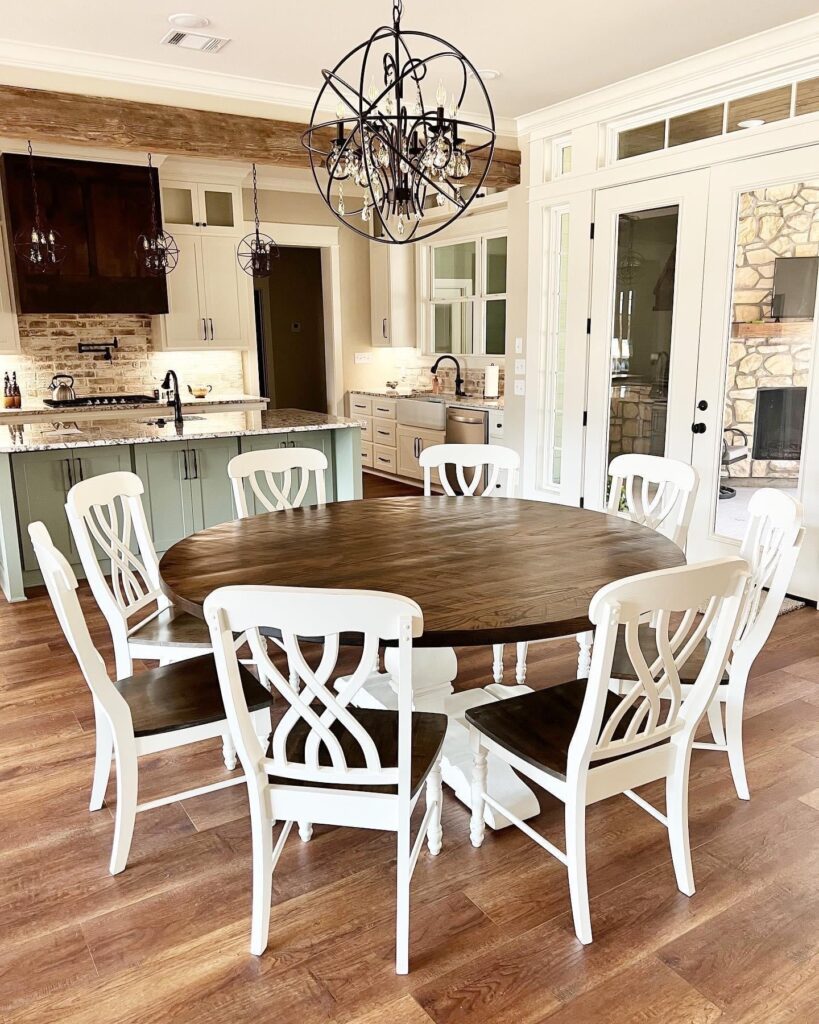
In high-end homes, furniture should never feel like an afterthought. It should feel as though it belongs to the architecture itself. When scale, material, and structure are aligned with the home’s design, the result is seamless and intentional.
Luxury interiors demand more than decorative pieces. They require furnishings that respond to ceiling height, window placement, natural light, and architectural detail. When these elements are considered together, the space feels complete rather than furnished. True integration begins with planning—not selection.
Designing in Conversation With the Architecture
Every luxury home carries a distinct architectural language. Exposed beams, expansive glass walls, vaulted ceilings, and natural stone features create rhythm and structure within the space. Furniture must respond to that language rather than interrupt it.
Architectural alignment often requires:
- Matching wood tones to existing flooring or millwork
- Designing scale appropriate to ceiling height and room volume
- Echoing structural lines found in beams, trim, or window framing
- Balancing visual weight within open-concept layouts
When furniture mirrors the proportions and materials already present, the entire space feels intentional. Instead of drawing attention away from architectural features, the piece reinforces them.
Proportion as a Design Tool
In large mountain residences, proportion becomes a defining element. A table that appears modest in a showroom may look undersized beneath vaulted ceilings. Conversely, excessive mass can overwhelm a more intimate dining space. Thoughtful proportional planning considers:
- Table length relative to overall room depth
- Leg thickness that visually aligns with exposed beams
- Chair height that complements window and sight lines
- Surface thickness that matches the architectural scale
Many homeowners exploring custom furniture for luxury home design come to realize that proportion shapes how a room feels. Balanced dimensions create harmony, while poorly scaled pieces disrupt flow.
Material Selection That Complements the Environment
Mountain homes often blend natural materials with refined finishes. Stone fireplaces, steel accents, reclaimed timbers, and wide-plank floors establish a strong visual foundation. Your custom furniture must coexist with these elements without losing its own presence. Material coordination may involve:
- Selecting hardwood species that complement flooring tones
- Choosing finishes that react beautifully to natural light
- Orienting grain patterns to echo architectural direction
- Specifying durable surfaces suited for frequent entertaining
Clients seeking Moose WY custom furniture often look for pieces that feel rooted in the landscape—strong, organic, and thoughtfully refined.
Collaboration From Concept to Completion
Seamless integration rarely happens by accident. It requires early collaboration between the homeowner, architect, designer, and craftsman. Considering furniture during the architectural phase allows dimensions and details to align from the start. This collaborative process often includes:
- Reviewing architectural drawings and elevations
- Refining proportions before fabrication begins
- Coordinating installation with construction timelines
- Engineering structural details tailored to the specific space
At this level, custom furniture becomes structural in presence, not merely decorative. It belongs to the home as naturally as the beams overhead or the stone beneath it.
Final Thoughts
When furniture is designed alongside architecture, the result feels effortless and cohesive. It supports the space rather than competing with it. At Fox In The Sawdust, we work closely with homeowners and designers to create pieces that belong within the architecture they inhabit.
If you are building or refining a luxury space, call Fox In The Sawdust at (208) 360-6348 and let us craft furniture that completes your vision.